
DEBT CEILING BILL PREVENTS CATASTROPHE By Hope Wilkos, Writer/Blogger Photos Courtesy of NBC News and Reuters

On the verge of the government facing default, a debt-ceiling bill was negotiated and voted on by the US House today. President Obama and congressional leaders have been working on this bill for days. Although Democrats and Republicans had a difficult time coming to an agreement, it finally happened. It was just a day before possible historical default. The measure passed with a 269-161 vote.
The bill calls for up to $2.4 trillion in savings over the next decade, raises the debt ceiling through the end of 2012 and establishes a special congressional committee to recommend long-term fiscal returns.
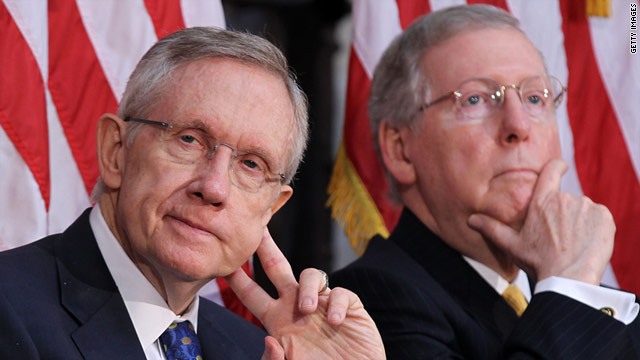
Senate Majority Leader Harry Reid will take up the measure at noon on Tuesday. No amendments or changes will be considered. Approval will require a majority of 60 of the 100 Senate votes. All approvers must act fast to fight the clock. It must reach Obama’s desk by Tuesday at the latest, otherwise, we could face rapidly rising interest rates, a falling dollar and possible collapse of financial markets. This just touches on a few issues that might be the direct result of delaying the passage of the bill.
House Speaker John Boehner, R-Ohio, said the deal would reshape how Washington spends taxpayer money which is a huge initiative to undertake but hopefully will incur positive results. The big worry continues to be cuts to military spending.
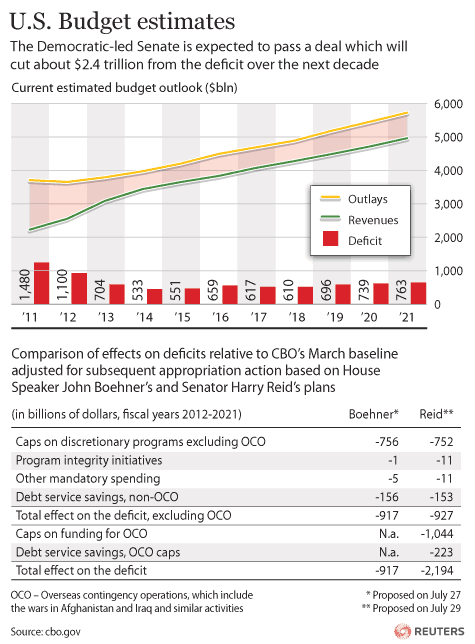
The first stage includes $917 billion in savings including approximately $420 billion reduction in the national security budget. At the same time, the cuts would be accompanied by a $900 billion increase in the debt ceiling. Obama has the authority to raise the debt ceiling by $400 billion to last through September and the other $500 billion is subject to a congressional vote of disapproval that can be vetoed by Obama. A special joint committee of Congress will recommend further debt reduction steps to total $1.5 trillion or more and Congress must vote by the end of the year. The committee will have an equal number of Democratic and Republican members. Recommendations are due by November 23rd and the vote is due by December 23rd.
If the recommendations are enacted, President Obama can increase the debt ceiling by up to $1.5 trillion. If they do not pass, Obama can still raise the debt ceiling by $1.2 trillion. But a budget “trigger” would kick in with spending cuts across the board.
An important item to note is the fact that benefits from entitlements of Social Security, Medicaid, Medicare and Veteran’s benefits would be exempt from immediate cuts.
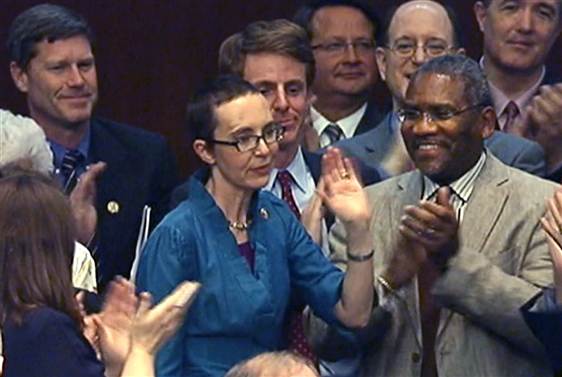
An emotional moment took place as Rep. Gabrielle Giffords, D-Arizona entered the chamber to cast her vote. Met with hugs, smiles and a standing ovation, this was the first time that Giffords cast her vote since being shot earlier this year and undergoing intense rehabilitation.
This is by no means a totally satisfactory deal for all parties involved but it is a definite beginning. The decision will hopefully preserve the U.S. Aaa credit rating and begin to slow the growth in America’s soaring debt.



Comments are closed.