


Jamaica honours late reggae icon Tosh
October 17 2012 at 08:42am

Twenty-five years after his murder, Jamaica’s government honoured the contributions of firebrand reggae musician and songwriter Peter Tosh (pictured), one of the Caribbean island’s musical giants.
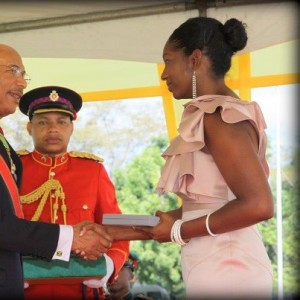
Tosh’s daughter Niambe received the posthumous Order of Merit – the country’s third-highest honour – on behalf of her late father during an annual national awards ceremony on Monday on
the lawns of King’s House, the residence of Jamaica’s governor general.
Tosh was a founding member of The Wailers, forming the three-man core of the group with Bob Marley and Bunny “Wailer” Livingston. Hard-hitting solo albums such as Equal Rights and his work with The Wailers helped make homegrown reggae known internationally. He was killed at the age of 42 in 1987, by robbers in his Jamaican home.
The always outspoken Tosh was known for denouncing apartheid, government corruption and calling for the legalisation of marijuana. Musical colleagues and fans say the lanky baritone singer and guitarist was a mesmerising performer with a larger-than-life personality.
Tosh is perhaps reggae’s most controversial figure. During the government-organised One Love Peace Concert of 1978, he publicly accused Jamaica’s political leaders and the middle class of backing police brutality and politically charged gang warfare amid a legendary 20-minute diatribe. The Jamaican media severely criticised Tosh for the speech, delivered to an audience that included 200 foreign journalists and the prime minister.
For his uncompromising views and his insistence on smoking marijuana openly, the Rastafarian was severely beaten by police on several occasions, sustaining severe injuries, according to former manager Herbie Miller.
For Miller, the honour for Tosh was a long time coming. He lobbied Jamaican administrations for years to recognise Tosh’s accomplish-ments formally.
“When you are about truth and rights and bucking the system, government recognition comes after a long wait,” Miller said.
Roger Steffens, a reggae historian who interviewed Tosh, said the musician believed that awards from “Babylon” – the Rastafarian’s unflattering term
for the Western world and the inadequate realities of life – were meaningless to him.
Like Marley, Tosh “believed that ‘Babylon have no fruits’ and awards from the oppressors were mean-ingless. Whether the past 25 years would have mellowed [him], or made him even more unyieldingly militant, is difficult to predict,” said Steffens, who described Tosh as the “Malcom X of reggae”.
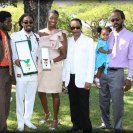
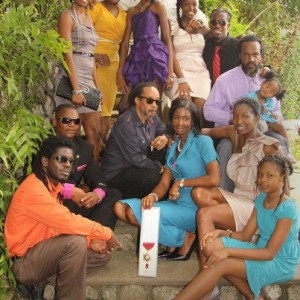
But for his family, the ceremony was a big deal. Andrew Tosh, who was 20 when his father was killed, said the award would help to keep his musical and cultural legacy alive. – Sapa-AP


