
SAVED FROM THE FISCAL CLIFF FALL
By: Hope Wilkos, Writer/Blogger Photographer: George Whylie Videographer: Maxine NolanIt was a close call. As citizens across the United States got ready to celebrate the New Year, the thought of negative tax implications and economic woes weighed heavily on our minds and we seemed to be literally dangling from the fiscal cliff. It seemed inevitable that it would be a steep fall but then just before we began a new day and just a day into a new year, an agreement was reached to the satisfaction of all parties.

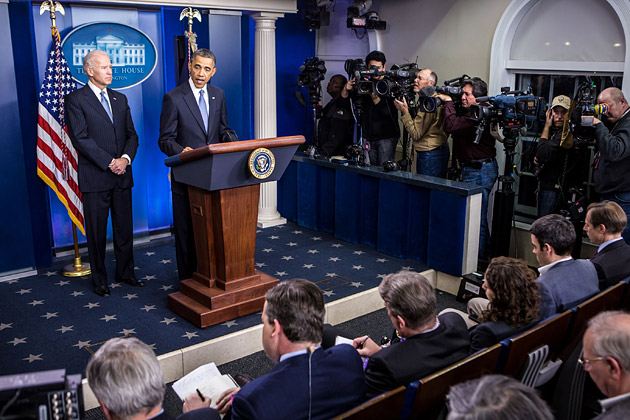
Yesterday in his weekly address to the nation, President Obama spoke about the bipartisan agreement reached by Congress which ultimately prevented a middle-class tax hike. Taxes have been increased on the wealthiest 2% of Americans while the other 98% of Americans will not have to worry about their income taxes rising. That also means that 97% of small businesses can also breathe a sigh of relief as their taxes remain the same as well.
Tax credits will still go out to millions of families and companies that conduct research, make investments and create clean energy jobs. For the two million Americans out of work, they will continue to receive unemployment benefits under the premise that they will continue to look for work.
In the final vote, 172 Democrats and 85 Republicans favored the bill and 16 Democrats and 151 Republicans opposed it. The Senate voted overwhelmingly for this bill but the House vote was 257 to 167.
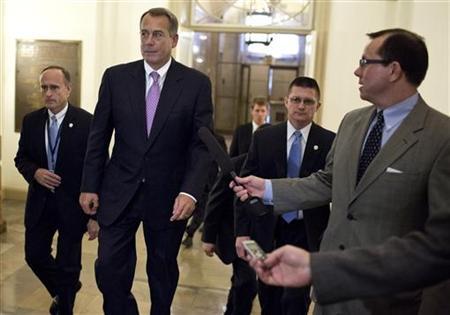
At the announcement of the decision, stocks continued to rise and the S&P 500 ended the week at a 5-year high. The DOW rose 0.3%, the NASDAQ added less than 0.1% and the S&P 500 advanced 0.5%.
However, paychecks will be smaller in 2013 as workers will still have to pay in 2% more in payroll taxes. The tax hike set forth in the agreement directly affects individuals earning income over $400,000 and families earning more than $450,000.
Some of the other ways that this compromise has affected Americans is as follows:
* ROTH IRA plan conversions are expanded so that you have the ability to transfer amounts from traditional 401(K) plans, 403 (B) plans and 457 plans to designated ROTH Accounts.
* The bill permanently extends the exclusion for employer-provided educational assistance and the exclusion for employer-provided adoption assistance has also been made permanent. The annual dollar limit on creditable expenses for the dependent care tax credit have been increased as well as the credit rate and the income level to phase the credit out has been raised.
* This act reinstates the higher monthly limit for employer-provided transit and van pooling benefits to equal the limit for qualified parking benefits. It is to be extended throughout the year 2013.
* The 2012 Medicare reimbursement rate is also extended through December 31, 2013.
* The CLASS Act is repealed but a Commission on long-term care has been put into place to “develop a plan for the establishment, implementation and financing of a comprehensive, coordinated and high-quality system that ensures the availability of long-term services and supports” for individuals needing long-term care.
* Consumer Operated and Oriented Plans (Co-OP’s) have mostly been rescinded except for amounts that the Secretary of Health and Human Services must use to establish a fund to provide assistance and oversight for those that have received financial assistance to establish Co-OPs.
* Tax-free IRA distributions for charitable purposes are reinstated and temporarily extended.
This act also addresses marginal tax rates, the alternative minimum tax, the tax treatment of capital gains and dividends and estate tax.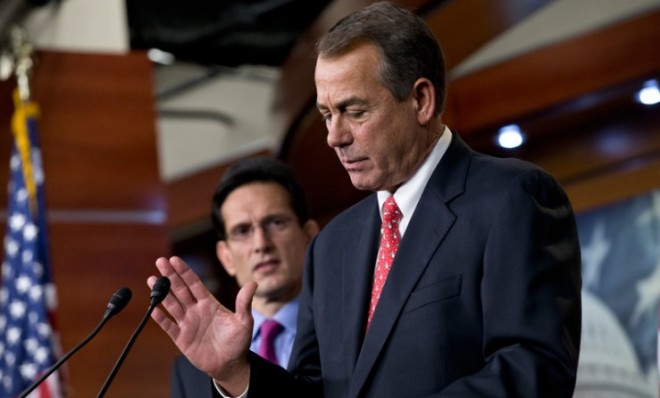
This is just one situation that has been resolved. A couple more cliffhangers are coming that will require careful strategic planning to avoid more economic hardships. Federal spending cuts are going to be necessary. The Senate plan calls for $12 billion in new revenue and another $12 billion in cuts. Some of these cuts are going to be in defense spending. Hanging at the top of the cliff at this point in time is the debt ceiling and a continuing budget resolution. The President has his set of challenges for the year ahead.
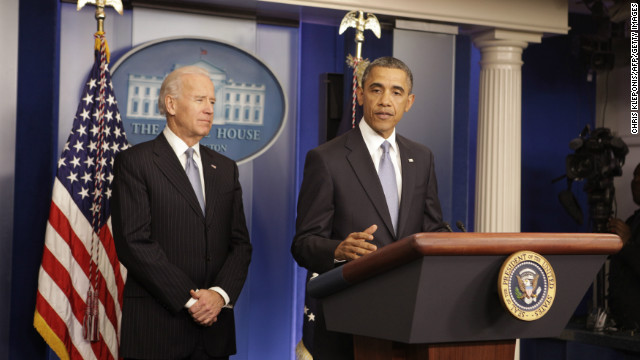
PHOTO CREDITS: Reuters and Getty Images



Comments are closed.