
SAVING MARINE WILDLIFE ONE DAY AT A TIME
By: Hope Wilkos, Writer/Blogger Photographer: George Whylie Videographer: Maxine NolanWe have always looked up to Sea Shepherd Conservation Society for all their efforts to save ocean wildlife worldwide. Volunteers for this organization are on the front lines doing what they have to in order to end the unnecessary slaughter of dolphins, whales, seals and bluefin tuna. Most of the time the conditions are very dangerous.

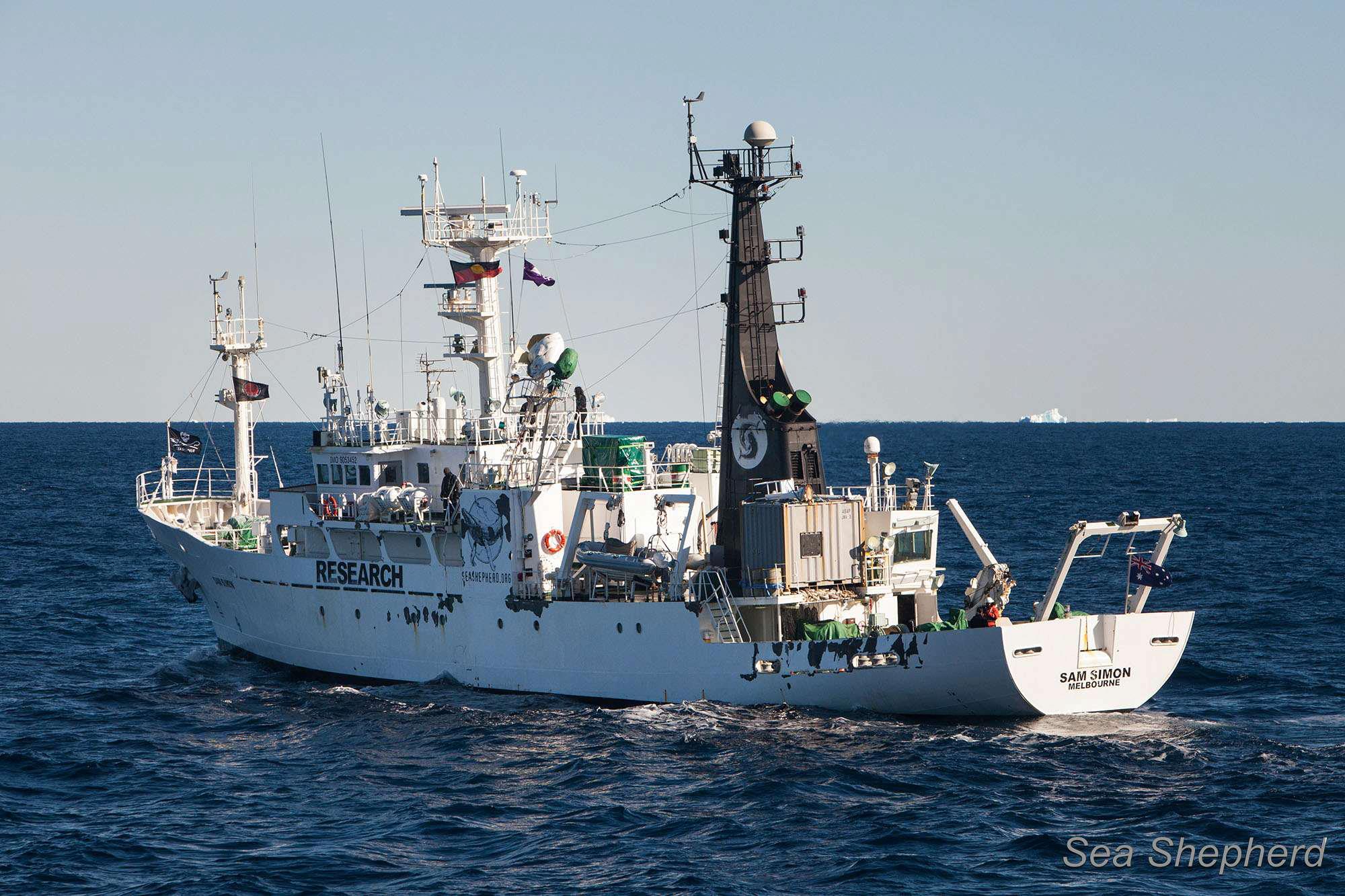
The Japanese government has labeled them terrorists and now in a more recent ruling, the United States’ largest federal court labeled them as pirates. The 9th U.S. Circuit Court of Appeals has censured leader Paul Watson and the members of the Sea Shepherd Conservation Society that he founded for the tactics that they use in their relentless campaign to disrupt the annual whale hunt in the Antarctica dangerous waters. This comes as a blow since the United States has always been an advocate of these global ocean causes.
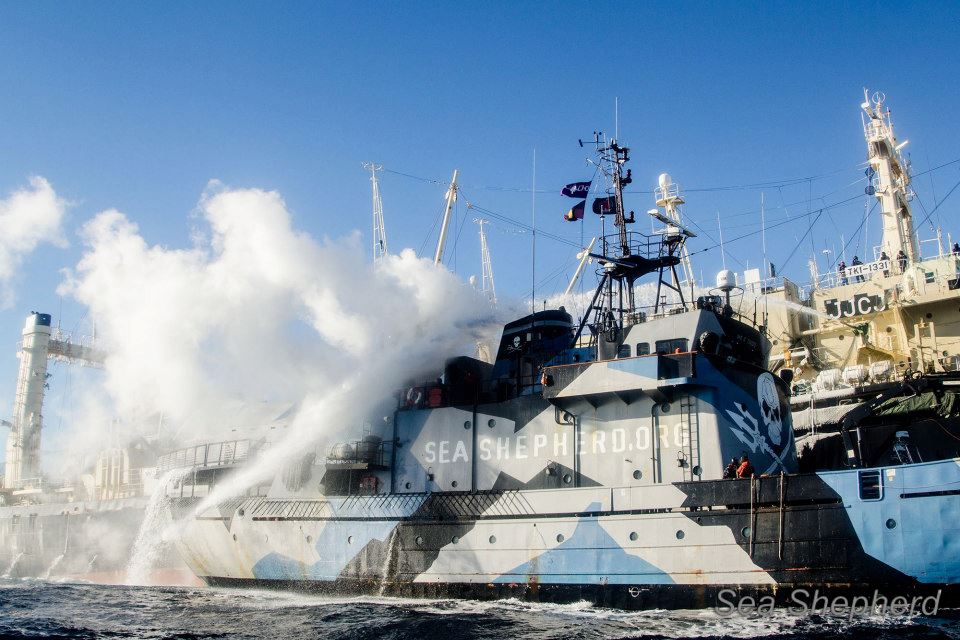
The aggressive methods that Sea Shepherd uses are not looked upon favorably as they include hurling glass containers of acid to ramming ships to pointing high-powered lasers and dragging metal-reinforced ropes in the water to damage propellers and rudders. The courts put down a ruling in December 2012 for the organization to stay at least 500 yards from Japanese whalers, however, these same whalers have complained that Sea Shepherd has violated the order twice. This ruling overturned a Seattle trial judge’s decision siding with the organization and tossing out a lawsuit filed with a group of Japanese whalers seeking a court-ordered halt to their advancing tactics. The judge determined that the whalers were violating an Australian court order banning the hunt and so that made it impossible to pursue the lawsuit in U.S. Courts.
The appeals court called Jones’ ruling “off base” and took the rare step of ordering the case transferred to another Seattle judge to comply with its ruling. The appeals court said Jones had misinterpreted the Australian ruling, which didn’t address the protesters’ actions.
Captain Paul Watson who has been instrumental in bringing about positive results for the safety and conservation of our marine life, has made the decision to retire and step down but was not happy with this latest ruling. Watson is acting as an independent observer for the Australian operation. The decision would not keep the anti-whaling actions from continuing in Australia. Sea Shepherd is registered in a couple dozen countries.
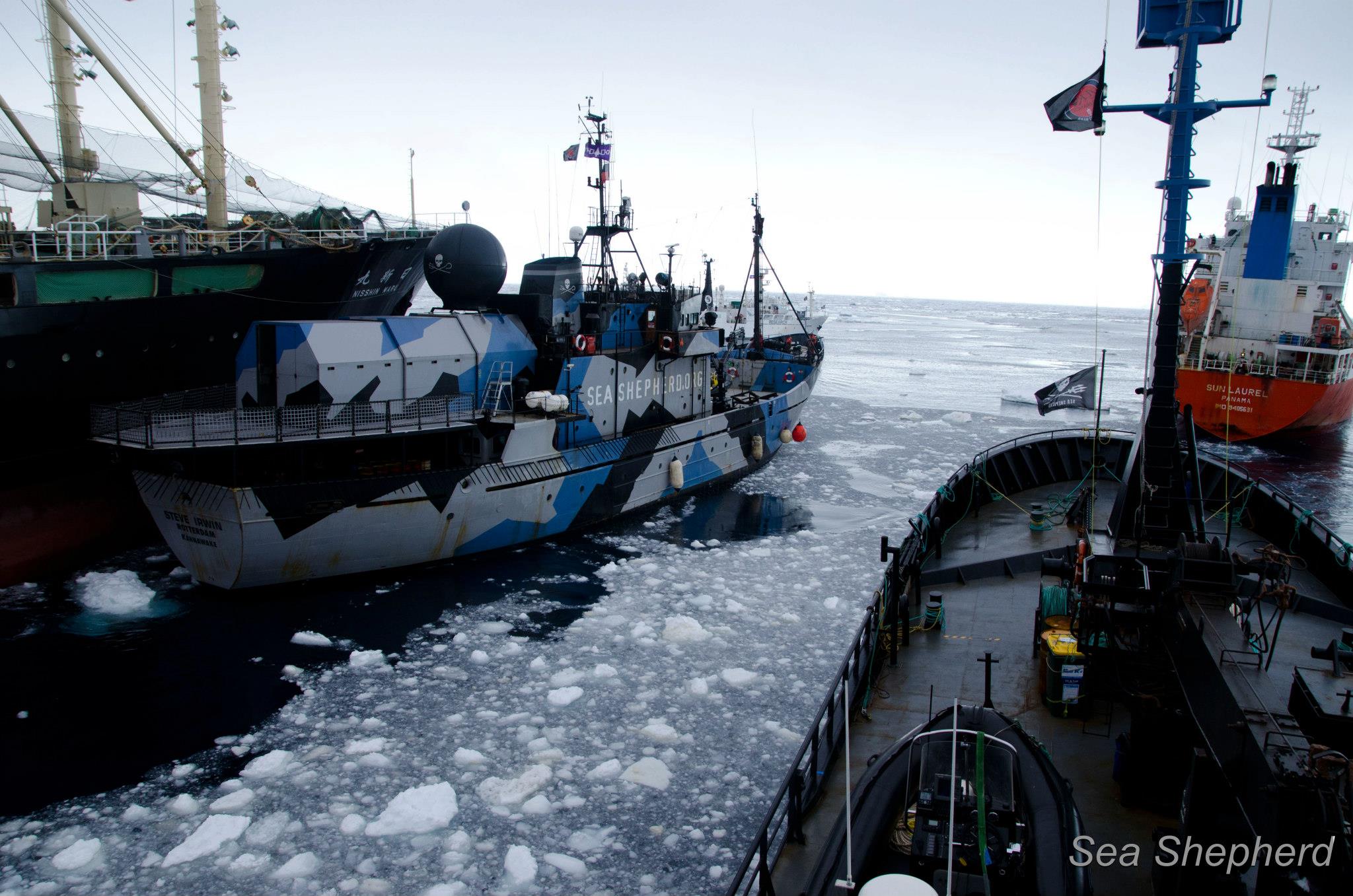
This whole initiative is just part of a complicated and on-going battle. For 25 years, there has been an international ban on commercial whaling but it doesn’t seem to keep the Japanese down. They still continue to slaughter whales in Antarctica every year and end up killing hundreds of these poor creatures of the deep. The Japanese defend their actions by saying that the carcasses are critical for ‘scientific research’.
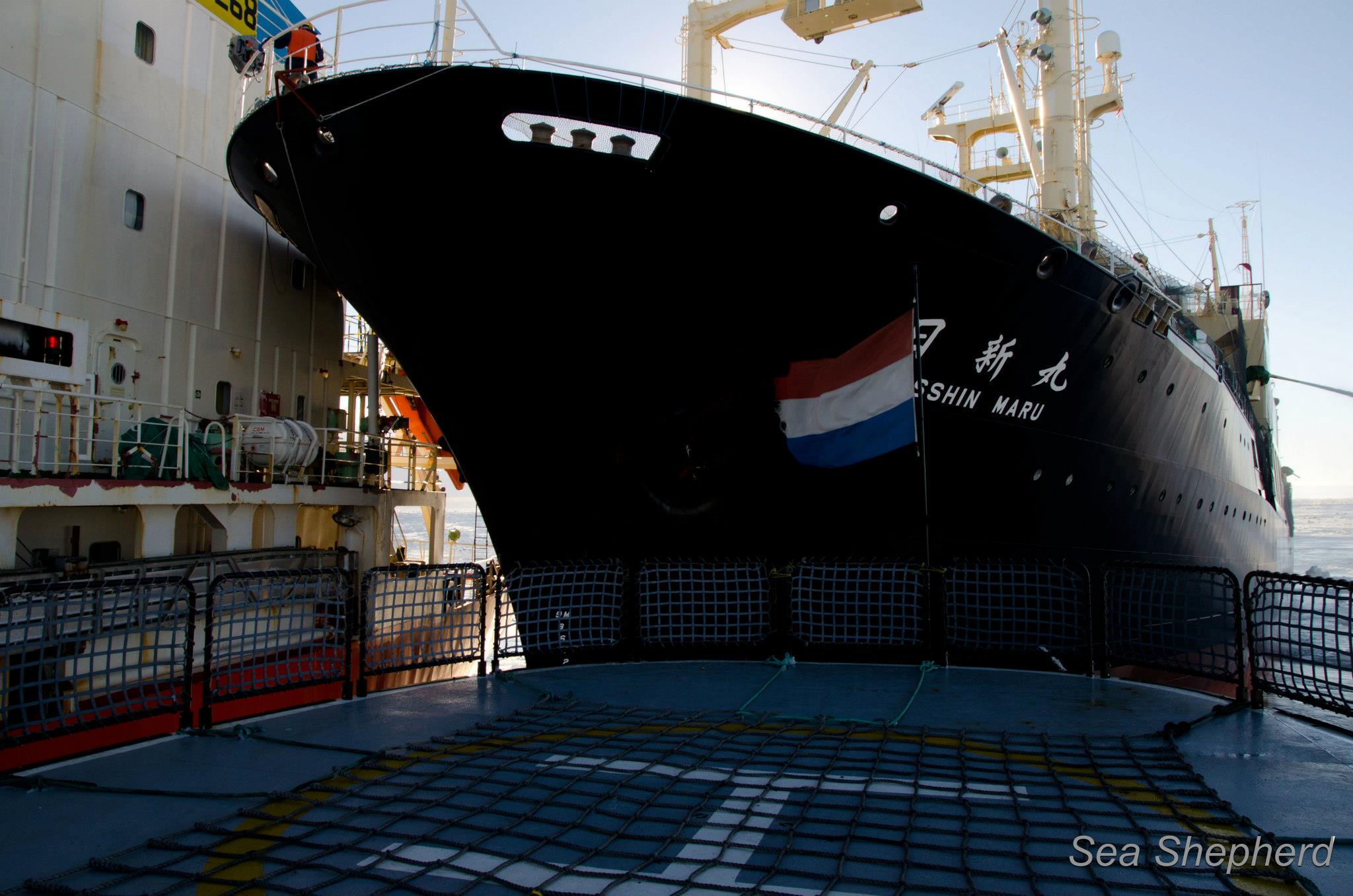
In the Belgian courts, Sea Shepherd’s environmental activism has qualified as a private end rather than public and this gives more leeway with a much broader interpretation of the law.
Japan has operated within a whale sanctuary established by Australia which is a violation of international law within itself.
Sea Shepherd Conservation Society has not taken this ruling lightly and has severed itself from Australian operations and trusting its affiliates from Australia and the Netherlands to continue on with these efforts.
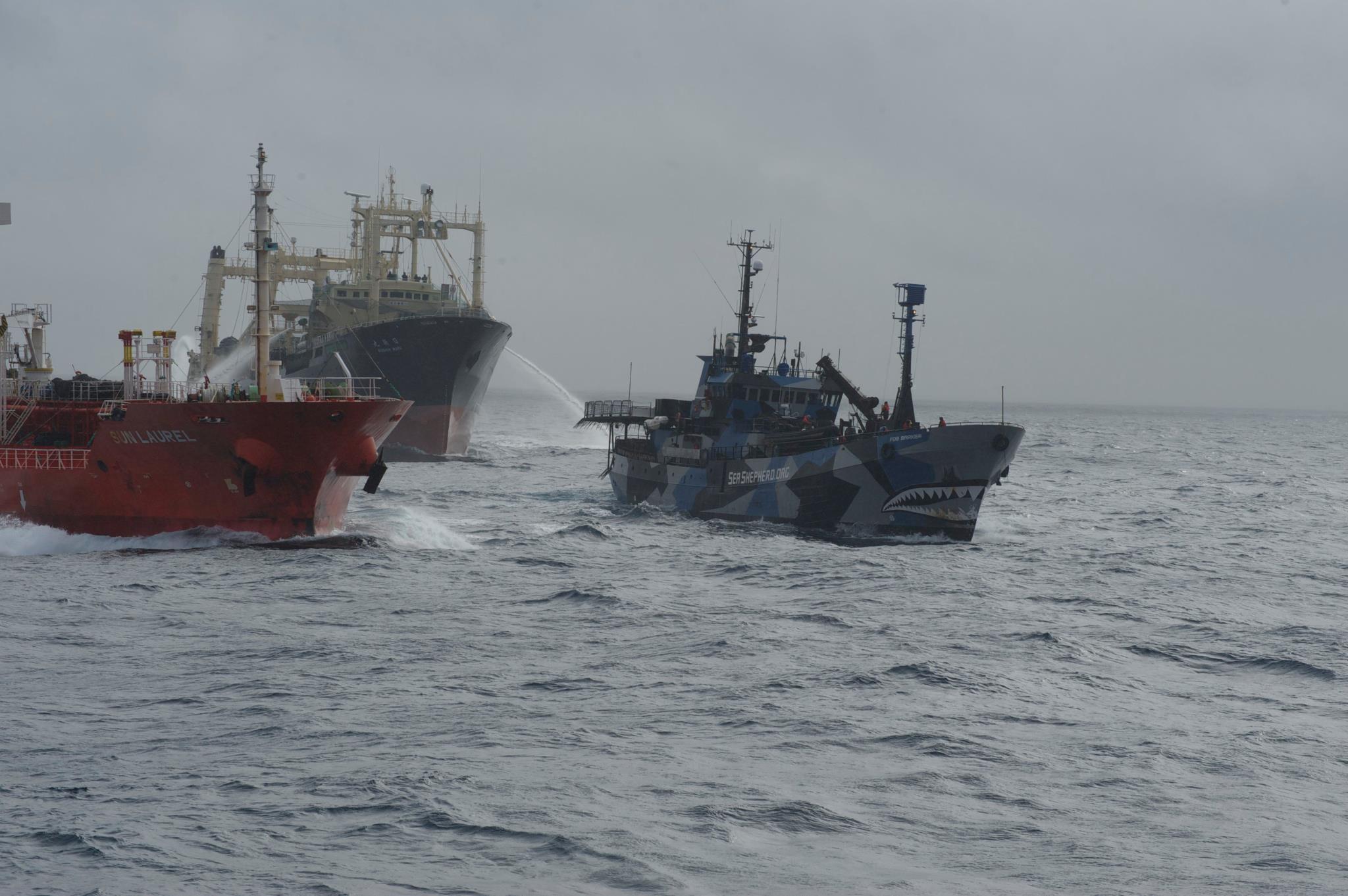
As a rebuttal, Sea Shepherd argues that whalers destroyed their vessel, the Ady Gil, in 2010 and have targeted their ships with water cannons, concussion grenades, laser beams and other weapons.
Protecting precious whales, dolphins, sharks, bluefin tuna and seals along with other wildlife necessary to our marine eco-systems is the number one priority of Sea Shepherd Conservation Society. They will continue to do what they can to make a difference.
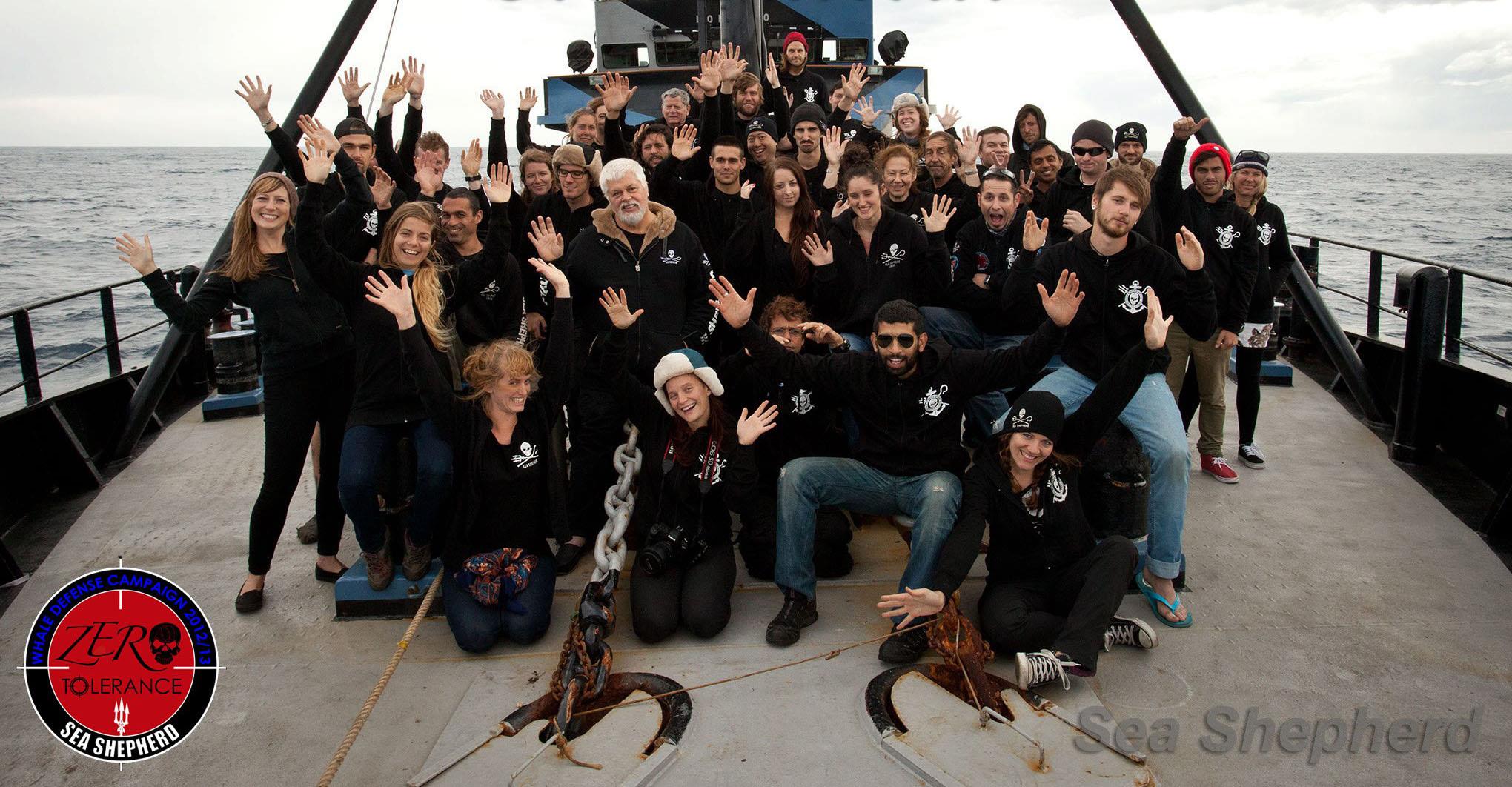
PHOTO CREDITS: Sea Shepherd Facebook Page and Billy Danger ©Sea Shepherd Australia Ltd**



Comments are closed.