
LIGHTS OUT IN INDIA
By: Hope Wilkos, Writer/Blogger Photographer: George Whylie Videographer: Maxine NolanIndia is considered the 2nd largest populated region in the world second to China and yet the country fell into darkness not just once recently but twice in the last two days. Reeling from the first crippling blackout, India again suffered a massive power failure on Tuesday, July 31, 2012. The power in New Delhi and the northeastern region has since been restored with electricity being 66% restored in the north and 79% in the east.

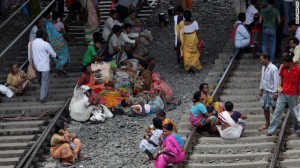
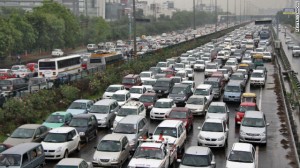
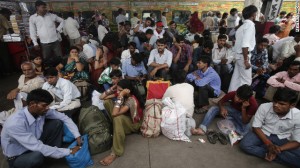
However, this causes great concern for India’s power infrastructure. The failure affected over 600 million people and with steaming hot temperatures and still rising along with humidity, it seemed as if there was no relief in sight. Many of India’s residents are dependent on the railway system and travelers and commuters were seen sitting on the railroad tracks in Kolkata, formerly known as Calcutta. Portable generators and candlelight provided a quick solution to a widespread problem. Over 300 trains were crippled by the outage in addition to the metro system which is the major means of transportation in New Delhi. Unbearable traffic jams resulted from traffic signals being out.
Airports and hospitals had to rely on backup power. Miners were trapped underground although rescue operations were underway and in place to bring all miners above ground. None were in danger.
Unlike many other nations, power in India is considered to be a luxury and 1/3 of households don’t have enough power to even fuel one light bulb. Perhaps the increased demand for power during the heated summer months is the culprit. It has been thought that farmers may be using more energy for irrigation due to drought conditions and air conditioning units are running much more frequently to combat the dreadful heat.

With this failure in the power grid system, Power Minister Sushilkumar Shinde has demanded an investigation into Monday’s outage. A member of India’s opposition Bharatiya Janata criticized the government for what he considered “a huge failure of management in the power sector”.
The lagging monsoon rains are also an indirect cause for concern. Many parts of the world are feeling the effects of heavy drought conditions. It may be time for India to update its infrastructure to meet the power needs of its growing population.
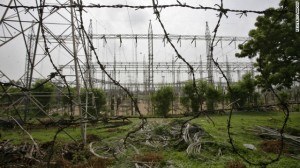
PHOTO CREDITS: Reuters, EPA/Landov



Comments are closed.